Start your pre-bridal skincare routine at least three months before the wedding, six if you are dealing with acne, pigmentation, or tan. Use the early months for correction, the middle months for consistency, and the final month for nothing but maintenance. The single biggest mistake brides make is starting something new in the last two weeks.
Indian weddings are not one day. They are a stretch of functions, each with photographs, heavy makeup, and long hours under lights. That is a lot to ask of skin, and it is why pre-bridal preparation is less about a miracle product and more about giving your skin enough runway to actually change. This guide lays out a realistic month-by-month plan, which face packs earn their place at each stage, and the errors that undo months of work in the final week.
How Many Months Before the Wedding Should Skincare Start?
Three months is the practical minimum for visible results. Six months is the comfortable answer if you have specific concerns to correct.
The reason comes down to how skin actually renews itself. A skin cell takes roughly four to six weeks to travel from the lower layers to the surface and shed. Anything you do today shows up meaningfully about a cycle later. Pigmentation and tan sit deeper and fade slower still, often needing two to three cycles of consistent care.
So the timeline works out like this:
- Six months or more: enough time for acne, pigmentation, and stubborn tan to improve and then hold.
- Three months: enough for texture, oil balance, hydration, and an even, settled glow.
- Six to eight weeks: enough for hydration and mild brightening, not enough for deep correction.
- Under four weeks: stick to gentle care and protecting what you have. This is not the moment to experiment.
If you are reading this with three weeks left, that is not a disaster. It just means the plan shifts from correcting to protecting, and the sections below on wedding-week care matter more than the rest.
What Does the Month-by-Month Pre-Bridal Plan Look Like?
Here is the structure most dermatologists and makeup artists broadly agree on, adapted for what is realistic at home in India.
Months 6 to 4: the correction phase
This is the only window where you can safely try new things.
- Identify your actual skin type. Not what you assume — test it. Wash your face, apply nothing, wait two hours, then blot with a tissue. Oil across the whole face means oily skin; only the T-zone means combination; nothing at all with a tight feeling means dry. Our guide on choosing a face pack for combination skin covers this test in more detail.
- Fix sun protection first. Every other step is undermined without it. A broad-spectrum sunscreen every morning, reapplied if you are outdoors, is the highest-return habit in the entire plan.
- Introduce actives one at a time. If you plan to use vitamin C, niacinamide, or a retinoid, start now and add only one new product every two to three weeks so you know what caused a reaction.
- Start face packs at twice a week. Pick based on your main concern rather than what a relative recommends.
- Book a dermatologist visit if you have active acne or melasma. These respond well to treatment but slowly, and six months out is when that treatment has time to work.
Months 3 to 2: the consistency phase
Nothing new gets added here. You are running the routine you already built.
- Keep face packs at two sessions a week. Rotate by concern rather than increasing frequency.
- Get facials or clean-ups every three to four weeks if you do them, always with the same technician and the same treatment.
- Address body skin too. Neck, back, arms, and hands appear in more photographs than most brides expect, and they are usually neglected until it is too late.
- Fix tan lines now. Bangle marks, blouse-line tan, and sandal marks take four to eight weeks to fade. Our guide on how to remove tan at home covers what genuinely works versus what wastes time.
- Sort out sleep and water intake. Unglamorous, but dark circles and dullness respond to these more than to any cream.
Month 1: the protection phase
The goal now is stability, not improvement.
- Stop introducing anything new. No new brand, no new pack, no new active. This is non-negotiable.
- Last facial: two to three weeks out. Never in the final week. Facials can cause purging and small breakouts, and you want that resolved well before the first function.
- Reduce face pack frequency to once or twice a week, and only ones you have used many times before.
- Continue sunscreen without exception, including on shopping days and outdoor functions.
- Prioritise hydration over correction. Plump, well-hydrated skin photographs better than treated-but-irritated skin.
The final week
- No exfoliation, no scrubs, no extractions, no threading of new areas.
- Threading and waxing should happen two to three days before, not the morning of.
- Continue your existing moisturiser and sunscreen exactly as before.
- One gentle, familiar hydrating pack two or three days out is fine if it is already part of your routine.
- Sleep is the highest-value item on this list.
Which Face Pack Is Best for Bridal Glow?
There is no universal answer, which is why "bridal glow face pack" as a single product is mostly marketing. Different concerns need different ingredients, and most brides rotate two or three across the week.
By concern
- Oily skin, congestion, enlarged pores. Multani mitti is the reliable choice. It absorbs excess sebum and tightens the look of pores without the harshness of stronger clays. See our full guide to multani mitti face pack benefits.
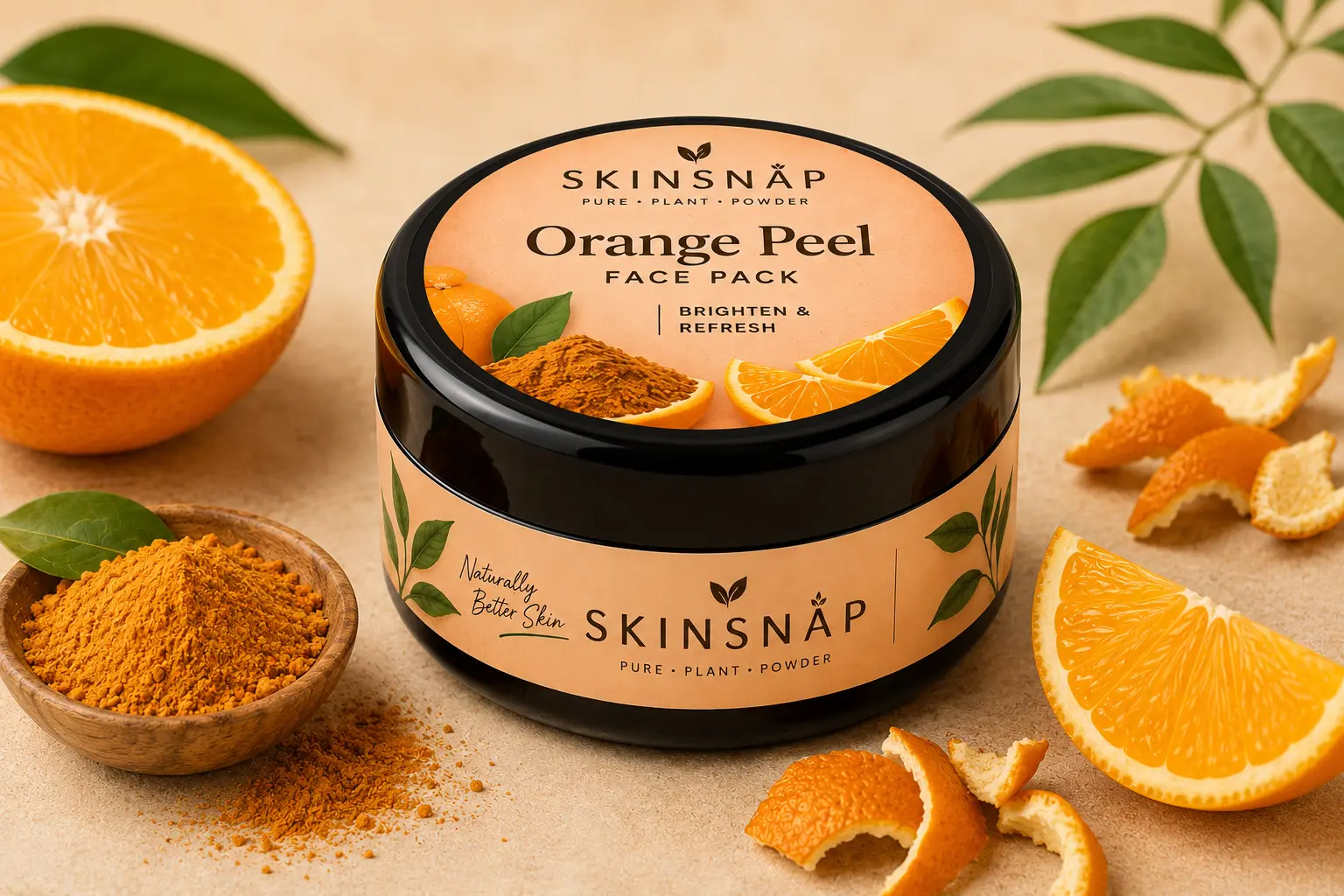
- Uneven tone, dullness, dark spots. Orange peel offers gentle vitamin C activity and mild brightening. It works gradually, which is exactly right for a three-month runway. More detail in our orange peel powder guide.
- Tan and pigmentation from sun exposure. A dedicated de-tan pack, paired with actual sun protection, since a pack alone cannot outrun daily re-tanning.
- Overall radiance and smooth texture. A glow-focused pack in the Korean glass skin tradition, which builds light reflection through hydration rather than by stripping the surface.
- Acne and inflammation. Neem-based packs help calm active breakouts. Our neem face pack for acne guide covers safe frequency.
- Sensitive or reactive skin. Sandalwood is the gentlest of the traditional options, with genuine calming properties. See sandalwood face pack benefits.
A workable weekly rotation
For a bride three months out with combination skin and some tan:
- Tuesday: multani mitti on the T-zone, nothing on the cheeks.
- Saturday: de-tan or orange peel across the full face.
- Every fourth week, swap one session for a glow pack instead.
That is two sessions a week, not five. Frequency is the most commonly overpushed variable in bridal skincare, and increasing it rarely helps. Our guide on how often to use a face pack explains why more sessions produce diminishing and then negative returns.
How Does the Routine Change by Skin Type?
The month-by-month structure stays the same. What changes is the emphasis.
Oily and acne-prone skin. Clay features more often — two clay sessions a week is comfortable. Keep moisturiser lightweight and gel-based rather than skipping it, since dehydrated skin produces more oil in response. Avoid heavy pre-wedding oil massages on the face, however traditional they are; they are a common cause of wedding-week breakouts.
Dry skin. Clay once a week at most, always rinsed before it fully hardens. The bulk of the effort goes into hydration layers and barrier support. A rich cream at night from month three onwards is worth it.
Combination skin. Multi-masking is the honest solution — clay on the T-zone, hydration on the cheeks, in the same session. Trying to find one pack that suits both zones usually means one zone gets over-treated.
Sensitive skin. Fewer products, longer patch tests, and no actives introduced after month four. Sandalwood and rose water based options over anything strongly exfoliating. If you have a history of reactions, a dermatologist consult early is worth more than any product decision.
Mature skin. Hydration and barrier support outrank oil control. Gentle brightening for tone, and no aggressive exfoliation in the final six weeks, since irritated skin sits worse under heavy makeup.
Which Ingredients Should Brides Avoid Before the Wedding?
Some of the most commonly shared home remedies in India are the riskiest ones to try on a deadline.
- Lemon juice directly on skin. Highly acidic, and it can cause phytophotodermatitis — a genuine chemical burn reaction when the treated skin meets sunlight. Never worth it.
- Baking soda. Wildly alkaline compared to skin's natural pH. It strips the barrier and leaves skin reactive for days.
- Toothpaste on pimples. Irritates surrounding skin and often leaves a mark worse than the original spot.
- Raw garlic or undiluted essential oils. Both cause contact dermatitis in a meaningful percentage of people.
- New strong actives in the last month. Retinoids, high-percentage acids, and first-time chemical peels all carry a purging phase. A purge four weeks before a wedding is a bad trade.
- Aggressive scrubs before hair removal or makeup trials. Compromised skin plus wax plus heavy foundation is how brides end up with irritation on the day.
The pattern here is worth noticing: almost every one of these is an attempt to speed things up. Bridal skincare punishes shortcuts more than ordinary skincare does, because the deadline is fixed and skin does not negotiate.
What Are the Most Common Pre-Bridal Skincare Mistakes?
- Starting too late and overcorrecting. Cramming three months of care into three weeks produces irritation, not results.
- Trying a product for the first time in wedding week. The single most avoidable mistake on this list.
- Skipping the patch test. Twenty-four hours of waiting versus a visible reaction in photographs.
- Ignoring the neck, back, and hands. All heavily photographed, all routinely forgotten until the blouse trial.
- Booking a facial two days before. Purging, redness, and small breakouts are common and need a fortnight to settle.
- Following every suggestion from every relative. Five different well-meant remedies layered on one face is how skin gets confused and inflamed.
- Over-exfoliating for "instant glow." Removes the barrier that makes skin look glowy in the first place.
- Neglecting sunscreen during outdoor functions and shopping. Months of de-tan work undone across a few afternoons.
- Letting sleep collapse in the final fortnight. Nothing on a shelf compensates for four hours a night.
How Should Brides Handle Face Pack Freshness and Hygiene?
This gets overlooked, and it matters more before a wedding than at any other time.
A bulk tub of clay powder opened in month six is still being used in month one. Every time it is opened, it takes in moisture from the air, which is why it hardens into lumps by monsoon. That hardening is not just annoying — it is a sign the powder has been absorbing whatever is in the room, including humidity and airborne contaminants. Our guide on why bulk multani mitti goes hard covers the storage and shelf-life detail.
There is also the mixing problem. Clay and rose water start reacting the moment they meet, so a paste mixed in advance is not the same product an hour later. Most brides mix in a bowl with fingers, which introduces bacteria into a paste going onto skin that is already being pushed harder than usual.
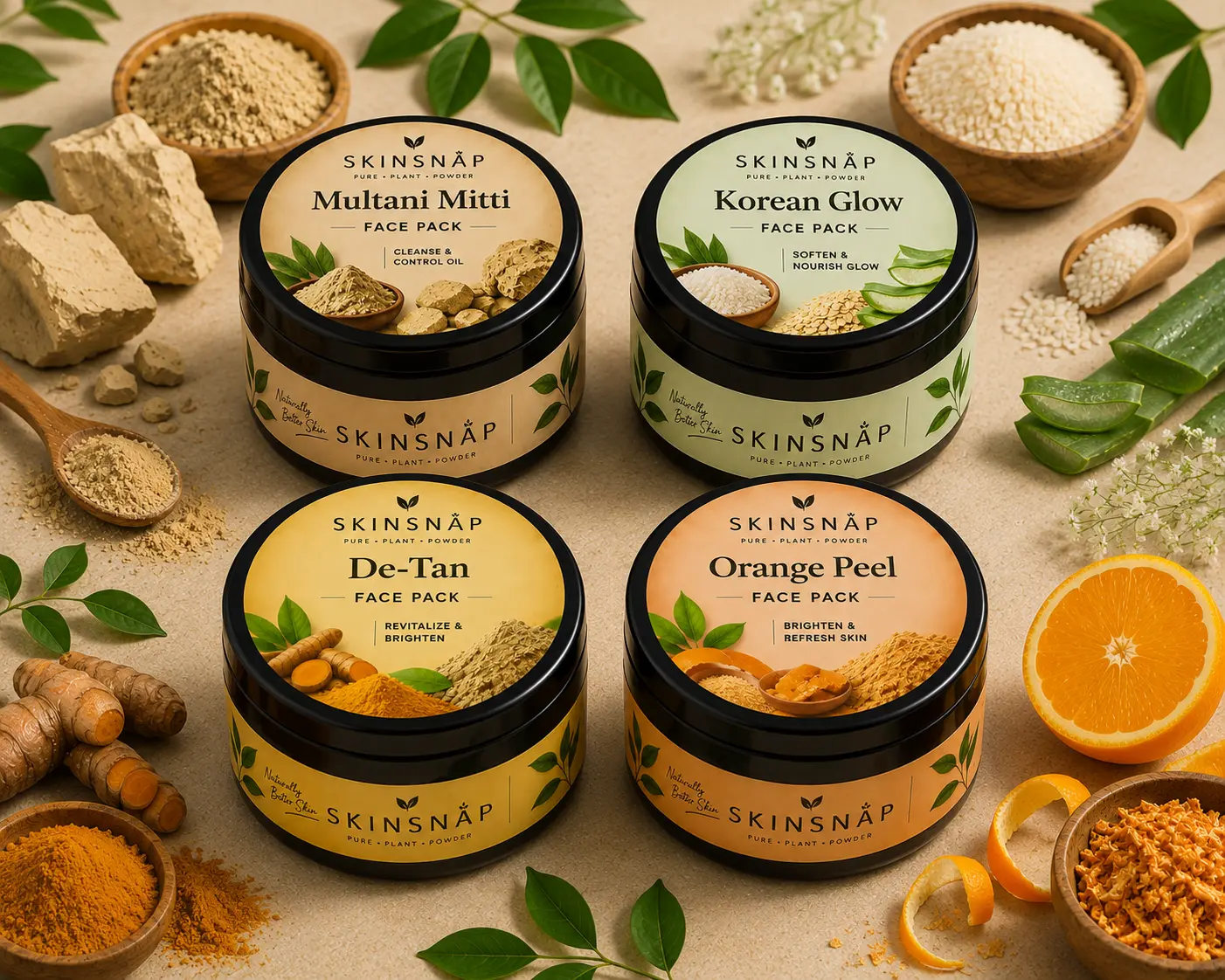
Single-use sachets avoid both issues. SkinSnap uses a dual-chamber pouch that keeps fresh clay and pure rose water in separate compartments and mixes them only at the moment of use — press, mix, tear, apply, with no bowl and nothing left over to go stale. For a bride running a routine over months, the practical benefit is that session forty is identical to session one, rather than progressively weaker as an opened tub degrades. We compare this against home mixing in DIY versus ready-made face packs.
What Should the Wedding-Week Routine Actually Look Like?
Deliberately unexciting, and that is the point.
Seven days out. Last gentle exfoliation if it is already part of your routine. Threading and waxing scheduled for day three or four out, not later.
Five days out. Normal routine only. One familiar hydrating pack if you want it.
Three days out. Hair removal done by now. Nothing new introduced. Sleep prioritised.
Two days out. Cleanse, moisturise, sunscreen. Nothing else. Resist every impulse to do more.
The night before. Gentle cleanse, your usual moisturiser, and sleep. No mask, no scrub, no extractions, no experiments.
The morning of. Cleanse, hydrate, sunscreen, then makeup. Give the moisturiser a few minutes to absorb before foundation goes on, or it will separate under lights.
The instinct to do something dramatic in the last week is strong and almost always counterproductive. Everything that was going to work has already worked. The remaining job is to not undo it.
Does the Routine Change by Wedding Season?
Indian wedding seasons cluster in specific months, and each brings its own problem.
November to February weddings. Preparation runs through monsoon and early winter. The monsoon months bring humidity-driven breakouts, so oil control matters through the middle of the plan — our monsoon skincare routine for oily and acne-prone skin is directly relevant here. By the final month, winter dryness takes over, so hydration needs to increase just as functions begin.
April to June weddings. Preparation happens through peak summer heat. Tan management and sweat-driven congestion dominate, and outdoor shopping trips do real damage without sunscreen. Start de-tan work earlier than the standard timeline suggests.
Monsoon weddings. Humidity affects both skin and makeup longevity. Lighter textures throughout, and expect makeup trials to behave differently on the day than they did in a dry, air-conditioned salon.
If your wedding is in the November-to-February window and you are reading this in August, you are almost exactly at the six-month mark — which is the ideal place to start.
Key Takeaways
- Start three months out for a settled glow, six if you have acne, pigmentation, or tan to correct.
- Months six to four are for experimenting, months three to two for consistency, and the final month for protection only.
- Rotate two or three face packs by concern instead of hunting for one universal bridal pack.
- Twice a week is the right frequency; more sessions do not speed anything up.
- Skip lemon juice, baking soda, and toothpaste entirely — the risk of a reaction outweighs any benefit.
- Last facial two to three weeks before, never in the final week.
- Nothing new touches your face in the last fortnight.
- Neck, back, and hands need the same attention as the face.
Conclusion
A pre-bridal skincare routine is mostly an exercise in patience and restraint. The month-by-month structure exists because skin renews on its own schedule and cannot be rushed — which means the earlier you start, the less you have to do later. Correct in the early months, stay consistent in the middle, and in the final stretch, protect what you have built rather than reaching for one more thing.
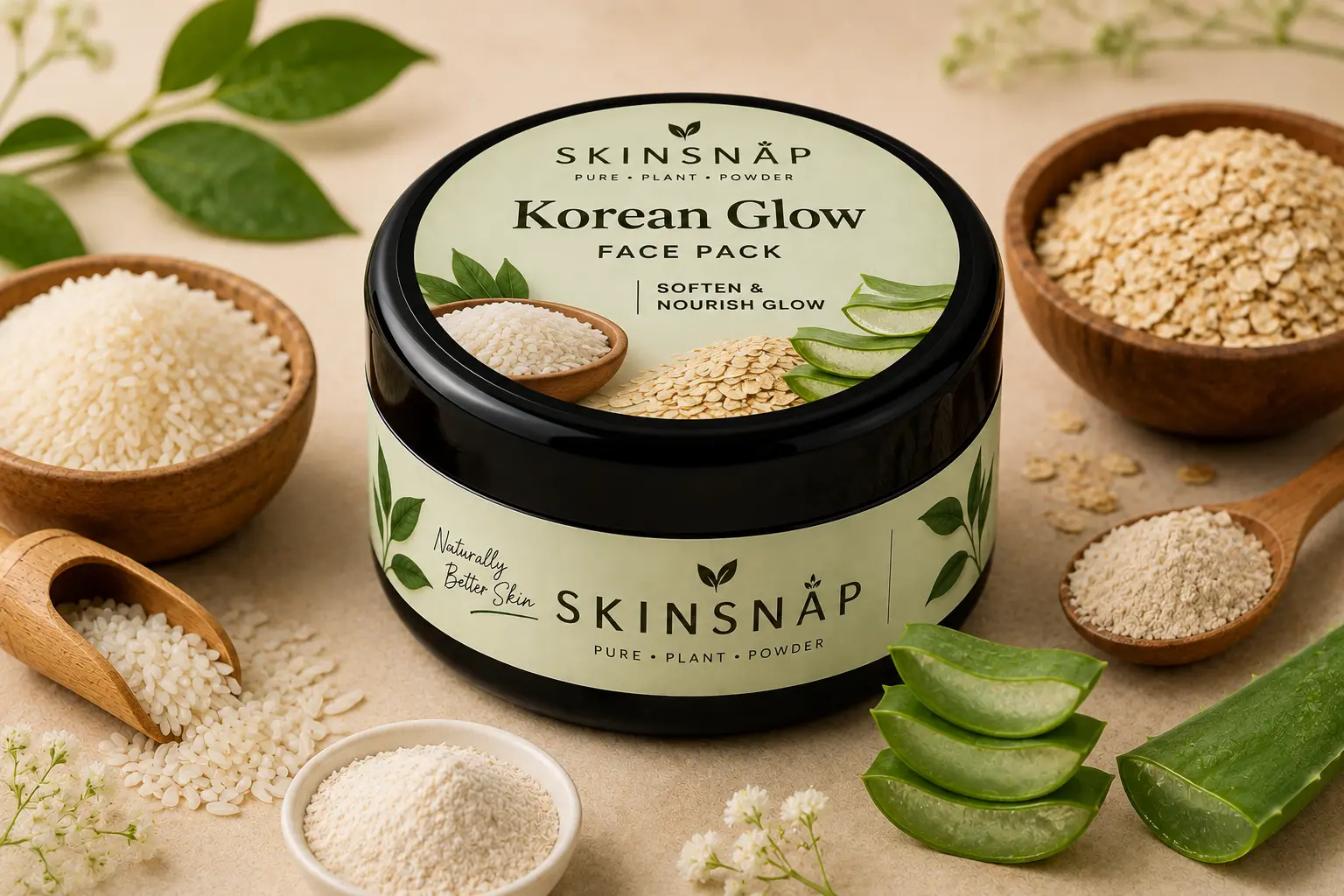
If you are starting now and want to run a rotation without opening four separate tubs that will harden before the wedding, the 4-in-1 combo pack covers oil control, brightening, tan removal, and glow in single-use sachets — or the Korean glow face pack on its own if radiance is your main concern.
Frequently asked questions
Three months is enough for a settled, even glow. Six months is better if you are dealing with active acne, pigmentation, or tan marks, because those need time to fade and then time to stay faded. Starting four weeks out mostly limits you to hydration and gentle care.
There is no single one. Oily and acne-prone skin does best with multani mitti, uneven tone with orange peel, tan marks with a de-tan pack, and overall radiance with a glow pack. Most brides rotate two or three across the week rather than relying on one.
No. Any product used for the first time carries a small chance of irritation or breakout, and wedding week is the worst possible time to find out. Every product on your face that week should have been used at least three or four times already without issue.
Twice a week for most skin types, three times at the absolute maximum during the middle months. More frequent use does not speed up results and often triggers dryness or irritation, which shows up on camera far more than a slightly less dramatic glow would.
Two to three weeks before. That gives skin time to settle if a facial causes purging, redness, or small breakouts, which is common. A facial in the final week is a gamble with nothing to gain, since any glow it creates will have faded by then anyway.
Simple ones with clay, rose water, or turmeric can help. The risky ones are lemon juice, baking soda, and toothpaste, which cause irritation and sometimes chemical burns. Before a wedding, the downside of a bad reaction outweighs any benefit from an aggressive home remedy.
Do not pick, do not try a new strong treatment, and do not over-cleanse. A spot treatment you have used before, a clay pack limited to the affected area, and a dermatologist visit if it is severe are the safe options. Panic treatments usually make it worse.
As little as possible. Gentle cleanse, the moisturiser you already use, and a full night of sleep. No new mask, no scrub, no extraction, no facial. The goal on that night is calm, hydrated skin, not a last-minute transformation.
Yes. Oily and acne-prone skin needs more oil control and less occlusion, so clay packs feature more often and heavy creams less. The hydration step still matters, but it should come from lightweight gels rather than rich formulas that congest the T-zone.
Usually yes, with enough time. Tan fades over four to eight weeks with consistent sun protection and gentle brightening. Blouse and bangle tan lines take longest because they keep getting reinforced, so covering those areas outdoors matters as much as any pack.
No, keep your existing routine exactly as it is. Stopping suddenly can leave skin dry or reactive. What you should stop is anything new, anything strong, and anything experimental. Consistency in the last week protects the results of the previous months.
The same principles apply, usually with a shorter timeline. Sun protection, one or two clay sessions a week for oil control, and no aggressive treatments in the final fortnight. Shaving irritation is the extra factor, so the last close shave should not be the wedding morning.
Hydration shows in about a week, oil control in two, and tone or pigmentation changes take four to eight weeks. This gap is why starting early matters. The changes brides most want are the slowest ones to appear.
Yes, and it takes almost no effort. Apply a small amount behind the ear or on the inner forearm and wait twenty-four hours. Doing this for every new product in the first two months saves you from discovering a reaction with a week to go.
Try it the fresh way
This article is for general skincare information, not medical advice. Always patch-test a new product on your inner arm and wait 24 hours before applying it to your face.