Sandalwood face pack benefits come down to three things: it calms inflamed, acne-prone skin, gently fades tan and dullness, and cools down skin that is stressed from heat or sun. It works slowly, though, not as an overnight fix.
Chandan, as sandalwood is called in most Indian households, has been sitting in bathroom cabinets for generations. It shows up in wedding rituals, temple offerings, and grandmother's skincare drawer, usually for the same reason: it feels cooling and calming the moment it touches your skin.
But like most traditional ingredients, sandalwood gets both overhyped and underused. This guide covers what it actually does, how to use it properly, and where people go wrong.
Is There Any Real Science Behind Sandalwood for Skin?
Sandalwood powder comes from the heartwood of the sandalwood tree, and its natural oils and compounds are what give it a skincare reputation that has lasted centuries, not just marketing.
The tree's heartwood contains santalol, an aromatic compound that carries most of the anti-inflammatory and antimicrobial activity researchers have studied. This is the same compound responsible for sandalwood's calming scent, which is also why it shows up in perfumery and incense, not just face packs. Ayurvedic texts have documented sandalwood, or chandana, as a cooling agent for centuries, and modern dermatology broadly agrees on its anti-inflammatory and mild antibacterial effects, even though it is not positioned as a replacement for prescription acne treatment.
That said, "natural" does not mean "risk-free" or "instant." Sandalwood works gradually, and its effects are supportive rather than curative. Treat it as a calming, brightening addition to a routine, not a stand-alone fix for serious skin concerns.
What Are the Real Benefits of a Sandalwood Face Pack?
Calms redness and acne-prone skin
Sandalwood carries natural anti-inflammatory and antibacterial properties. Applied on the skin, it can reduce the redness around active breakouts and calm the irritation that comes with inflamed acne. It will not clear cystic acne on its own, but as a supporting step in a routine, many people find it genuinely soothing.
Helps fade tan gradually
One of sandalwood's most searched benefits is tan removal. It has mild anti-tanning properties that help lift dull, sun-darkened surface cells when used consistently. It is not instant, and it works best alongside sun protection. If tan is your main concern, our detailed guide on how to remove tan at home covers the full picture, including how turmeric-based packs compare.
Naturally cooling for heat-stressed skin
Ask anyone who has grown up in India during peak summer, and they will tell you sandalwood paste feels like relief on hot, tired skin. This cooling sensation is not just tradition talking. It genuinely helps calm skin that feels warm, tight, or irritated after long hours outdoors.
Controls oil without over-drying
Sandalwood absorbs some surface oil, which makes it useful for oily and combination skin. Unlike stronger clays, it tends to be gentler, so it suits people whose skin gets irritated by harsher oil-control ingredients.
Evens out dullness and gives a soft glow
Regular use can leave skin looking brighter and less patchy over a few weeks. This is less about instant "glow" and more about consistently removing dead surface cells and calming inflammation, both of which make skin look more even.
How Do You Use Sandalwood on Your Face the Right Way?
The method matters more than the ingredient itself. Here is a simple, repeatable process.
Step 1: Cleanse your face first
Start with a clean, dry face using a gentle cleanser. Sandalwood applied over makeup, sunscreen, or sweat will not work as well, since it needs direct contact with skin.
Step 2: Mix a smooth, thin paste
Take about a teaspoon of sandalwood powder and mix it with rose water until you get a paste roughly the thickness of yogurt. Rose water is the classic pairing here because it hydrates while the sandalwood calms and cleans. We cover this pairing in more depth in our post on rose water for face.
Step 3: Apply an even, thin layer
Spread the paste evenly across your face and neck, avoiding the eye area and lips. A very thick layer takes too long to dry and can feel heavy, while a layer that is too thin dries out fast and does little.
Step 4: Let it sit for 10 to 15 minutes
Leave the pack on until it feels slightly dry but not fully cracked. This is usually around the 10 to 15 minute mark, depending on the weather and your skin type.
Step 5: Rinse with lukewarm water
Wash it off using lukewarm water and gentle circular motions. Avoid hot water, which can strip moisture that sandalwood is trying to preserve.
Step 6: Moisturise right after
Even gentle ingredients like sandalwood can leave skin slightly dry. A light, non-greasy moisturiser locks in hydration and keeps your skin balanced.
How Often Should You Use a Sandalwood Face Pack?
Two to three times a week works well for most skin types. Oily and acne-prone skin can go slightly more often, closer to alternate days, while dry and sensitive skin should stick to once or twice a week. Overusing any face pack, sandalwood included, can leave skin feeling tight and stripped. We go into the general logic of frequency in how often should you use a face pack.
Sandalwood for Different Skin Types: What Actually Works?
Not every skin type should use sandalwood the same way. Here is a quick, honest breakdown.
Oily and acne-prone skin
Sandalwood mixed with rose water works well here. It calms breakouts and controls mild oil without stripping skin completely. Avoid mixing it with milk or cream-based liquids, since these can feel heavy and may contribute to clogged pores.
Dry skin
Sandalwood alone can feel drying on already dry skin. Mixing it with a touch of raw milk or a moisturising base helps balance this out, and using it once a week instead of three times is a safer starting point.
Combination skin
A single all-over layer usually works fine, since sandalwood is gentle enough not to over-dry the drier areas while still calming the oilier T-zone. If you want a more targeted routine for combination skin, apply a slightly thicker layer only on the oily zones.
Sensitive skin
Sandalwood is generally considered gentle, but "generally gentle" is not the same as "safe for everyone." Always patch test on your inner arm 24 hours before your first face application, and stop immediately if you notice itching, burning, or redness.
Sandalwood vs Turmeric vs Multani Mitti: How Do They Compare?
People often confuse these three because they show up together in a lot of DIY recipes. Here is how they actually differ.
Sandalwood is best known for calming inflammation, gently fading tan, and cooling heat-stressed skin. It is milder than the other two, which makes it a good everyday option for sensitive or combination skin.
Turmeric is stronger on the anti-tanning and brightening front, thanks to its active compound curcumin, but it can temporarily stain the skin yellow and needs to be used in smaller amounts. Our turmeric face pack benefits post covers safe usage in detail.
Multani mitti is the strongest of the three for pure oil control and deep pore cleansing, since it is a clay built to absorb. It is less about calming skin and more about pulling out oil and grime, as explained in our multani mitti face pack benefits guide.
Many people do not need to pick just one. Rotating between sandalwood for calming days and multani mitti for oilier days is a common, sensible approach.
When Should You Reach for Sandalwood in Your Routine?
Timing matters as much as technique, and a few common situations make sandalwood especially useful.
During humid, sweaty months
Once the heat and humidity of an Indian summer roll into monsoon, skin tends to feel warm, oily, and irritated more often. Sandalwood's cooling effect makes it a comfortable option during this stretch, especially on days when stronger clays feel too harsh. If your skin also breaks out more in humid weather, our monsoon skincare routine has a fuller plan worth pairing with this.
Before a big event or wedding season
Because sandalwood calms redness and evens out dullness without being harsh, it is a reasonable pick in the days leading up to an event, when you want calmer, more even-looking skin without the risk of a strong ingredient causing a reaction right before photos.
After sun exposure
A short outdoor stretch, a commute, or a day at the beach can leave skin feeling warm and slightly tanned. Sandalwood's cooling, mildly anti-tanning nature makes it a sensible next-day step, alongside proper sunscreen going forward.
What to Do If Your Sandalwood Pack Is Not Working?
A few quick fixes for the most common frustrations people report.
- Skin feels tight after rinsing. You likely left the pack on too long or used too little liquid. Shorten the time to 10 minutes and moisturise immediately after rinsing.
- No visible change after a few uses. Tan fading and dullness improvement take several weeks of consistent use, not a handful of applications. Stick with two to three uses a week for at least a month before judging results.
- Mild breakouts after starting sandalwood. This is uncommon but can happen if the paste is too thick or left on too long, clogging pores. Thin the paste and shorten the time on skin.
- Powder feels gritty or does not dissolve well. Lower-quality or coarsely ground sandalwood powder can feel gritty. Look for a finer, well-sieved powder, or reduce the quantity and mix longer to smooth it out.
Common Mistakes People Make with Sandalwood
A few honest warnings, because sandalwood gets oversold online just as often as it gets underused.
- Using it daily. Even a gentle ingredient like sandalwood can dry out skin with daily use. Two to three times a week is enough for most people.
- Expecting overnight tan removal. Sandalwood fades tan gradually over weeks, not days. Anyone claiming instant results with a single application is exaggerating.
- Skipping the patch test. Sandalwood is gentle for most, but allergic reactions do happen. A quick patch test on the inner arm avoids an unpleasant surprise on your face.
- Mixing with harsh acids. Combining raw sandalwood powder with lemon juice or other strong acids can irritate skin, especially before sun exposure. Milder liquids like rose water are safer.
- Letting the pack dry completely. A fully dried, cracked pack pulls more moisture out of the skin than needed. Rinse it off while it is still slightly damp.
- Forgetting to moisturise afterward. Skipping moisturiser after any face pack, including sandalwood, can leave skin feeling tight and undo some of the calming benefit.
Why Freshly Mixed Sandalwood Works Better Than Pre-Mixed Pastes
Sandalwood, like most active clay and powder ingredients, works best right after it meets liquid. Once mixed, a paste starts losing potency, and pre-mixed tubes sitting on store shelves for months need preservatives just to stay usable and shelf-stable.
This is exactly the kind of problem SkinSnap's dual-chamber pouches are built to solve. Each pouch keeps 20ml of pure rose water separate from 20g of active herbal powder until the moment you use it. Press to burst the inner seal, massage for 10 to 15 seconds to mix, tear the corner, and apply a genuinely fresh pack, with no bowl, no spoon, and no leftover paste sitting around.
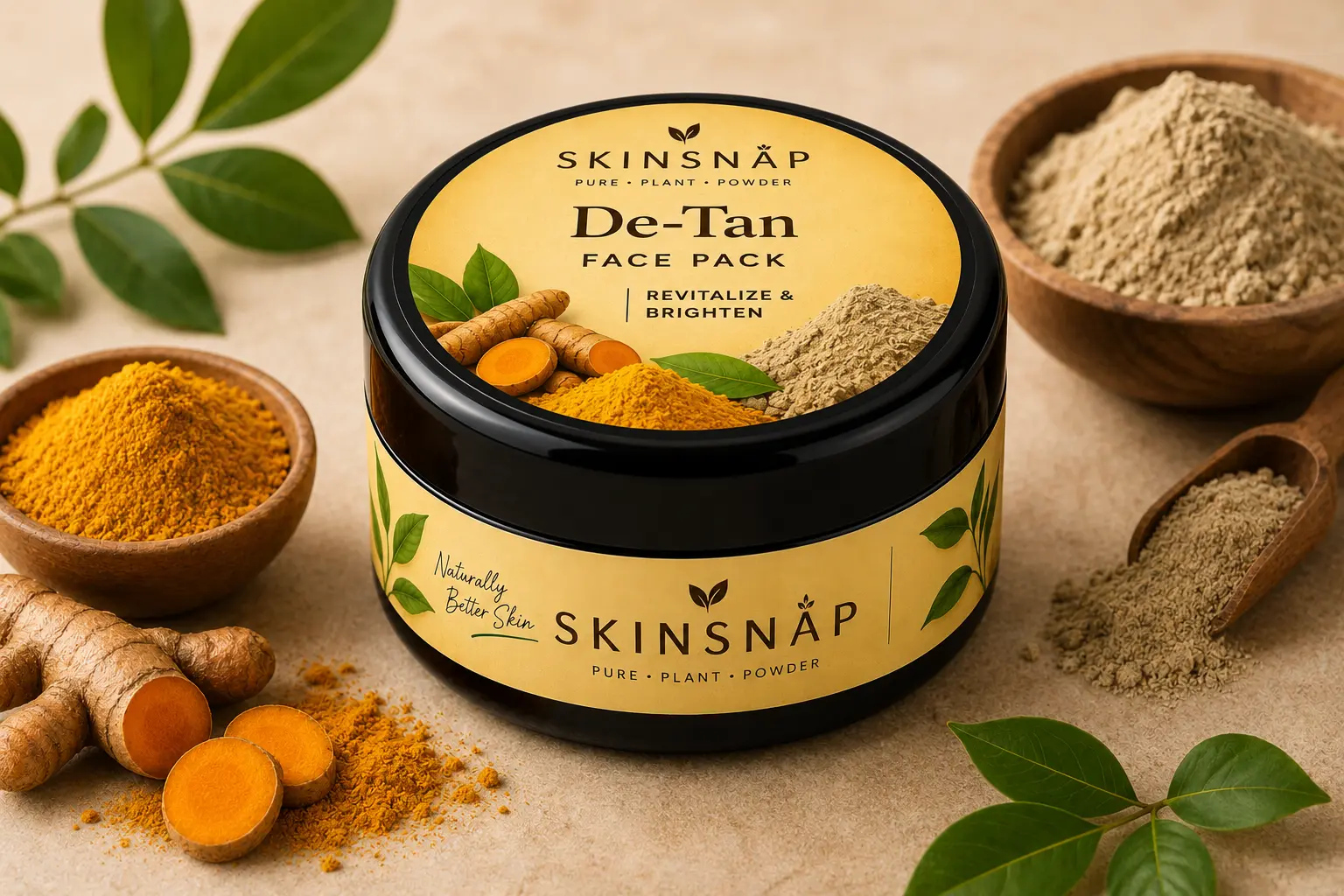
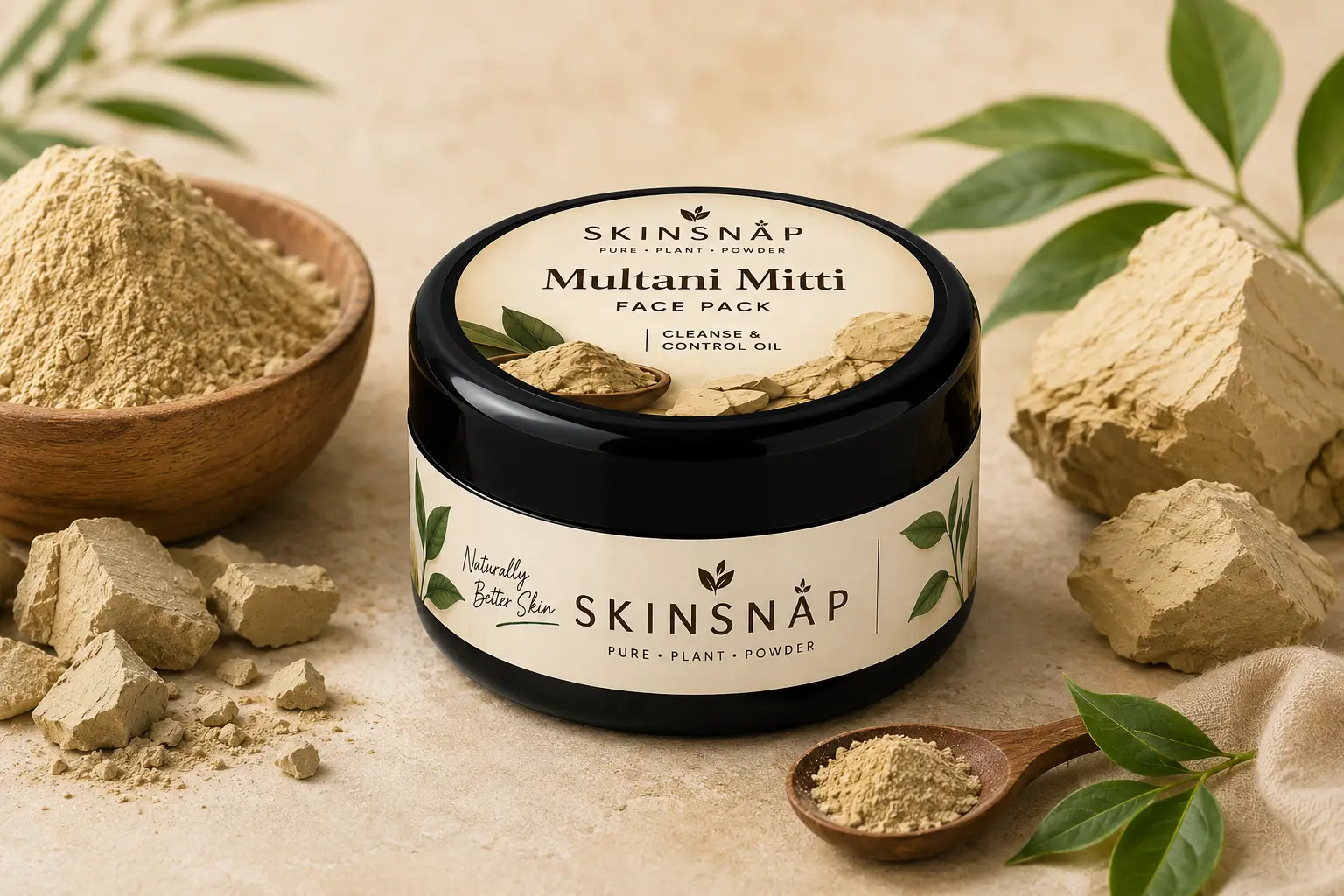
While SkinSnap does not currently sell a pure sandalwood pouch, the De-Tan pack shares a similar warm, tan-fading, calming profile using turmeric and clay, and the Multani Mitti pack is the better pick on days your skin needs more oil control than calming. Either way, you get the same freshly activated format that traditional sandalwood pastes never offered.
If you enjoy rotating ingredients based on what your skin needs that week, our DIY vs ready-made face pack comparison and the Korean glass-skin routine guide are good next reads for building out a fuller, freshness-first routine.
Frequently asked questions
Most skin types can use a light sandalwood pack 2 to 3 times a week. Daily use can feel drying, especially on already dry skin. Oily and acne-prone skin can push closer to alternate days, but watch for tightness and back off if it appears.
Sandalwood has mild anti-tanning properties that help lift dull, darkened surface skin over time. It fades tan gradually with regular use and sun protection, not overnight. For faster, more consistent tan lifting, pair it with turmeric-based ingredients or a de-tan pack designed for that purpose.
Yes, sandalwood has natural antibacterial and anti-inflammatory properties that can calm active breakouts and reduce redness. It will not treat cystic or hormonal acne on its own, so combine it with a proper skincare routine and see a dermatologist for severe cases.
White sandalwood (chandan) is cooling and gentler, better for regular use and sensitive skin. Red sandalwood is more pigmented and often used specifically for brightening and tan fading, but it can stain fabric and lighter skin temporarily, so patch test first.
No. Sandalwood can fade tan and even out dullness on the surface, giving skin a brighter, fresher look. It cannot permanently change your natural skin tone or underlying melanin level, and any product or influencer claiming that is simply not being accurate.
Rose water is the simplest and most balanced mix for oily skin, since it tones without adding oil. Avoid milk or heavy creams if your skin is already oily, as these can feel greasy and may clog pores over time.
Sandalwood is generally gentle, but sensitive skin should still patch test on the inner arm 24 hours before using it on the face. Stop use if you notice redness, itching, or a burning feeling, since sensitivity varies from person to person.
Around 10 to 15 minutes is enough. Wash it off while it is still slightly damp rather than letting it fully dry and crack, since fully dried packs can pull moisture out of the skin and leave it feeling tight.
Sandalwood's cooling, anti-inflammatory nature can soothe mildly sun-exposed skin and calm surface redness after a long day outdoors. It is not a treatment for actual sunburn or peeling skin, which needs cooling compresses, hydration, and sometimes medical care instead of a face pack.
They solve slightly different problems. Multani mitti focuses on pulling out excess oil and deep-cleaning clogged pores, while sandalwood leans more toward calming irritation, brightening dull patches, and gentle tan fading. Many people rotate between the two rather than picking just one and sticking with it.
Try it the fresh way
This article is for general skincare information, not medical advice. Always patch-test a new product on your inner arm and wait 24 hours before applying it to your face.