If you feel oilier, breakout more, and notice your skin turning dull the moment the rains start, you are not imagining it. Monsoon humidity raises oil production, traps sweat and pollution in your pores, and creates the perfect damp conditions for acne-causing bacteria and fungus. A simple routine — gentle cleansing, lightweight hydration, daily SPF, and a twice-weekly oil-absorbing face pack — keeps most of this in check.
Indian monsoons are beautiful and miserable for skin at the same time. The humidity that makes everything outside lush and green does the opposite to your face: more oil, more clogged pores, more of those small itchy bumps that were not there in winter. This guide breaks down exactly why that happens and what actually helps, without the 12-step routines that nobody has time for.
Why Does Monsoon Make Oily and Acne-Prone Skin Worse?
Humidity does three things to your skin at once, and each one adds to the problem.
Sebum production goes up
When the air is humid, your skin senses moisture on the surface and can respond by producing even more oil from within. Some studies suggest sebum output can rise by up to 30% during humid weather. For skin that is already oily, this is exactly the wrong direction.
Sweat, dirt, and pollution sit on your face longer
Monsoon air carries more moisture, dust, and pollutants that stick to sweaty skin instead of evaporating quickly. This mix sits in your pores for longer stretches, which is a direct setup for blackheads and inflamed acne.
Damp conditions favour fungal acne
A yeast called Malassezia thrives in warm, damp environments — think sweaty scalps, backs, and chests. This is why many people notice small, itchy, uniform bumps during monsoon that do not respond to regular acne creams. That is usually fungal acne, not bacterial acne, and it needs a different approach (an antifungal wash, not more acne cream).
What Is the Right Monsoon Skincare Routine?
You do not need a new routine from scratch. You need to adjust textures and add one or two monsoon-specific steps.
Morning routine
- Cleanse with a gentle, gel-based face wash. Avoid harsh foaming cleansers that strip your skin, since a stripped barrier often overproduces oil to compensate.
- Tone with an alcohol-free toner if you use one. Niacinamide and witch hazel are good options for oil control without dryness.
- Moisturise with a light, water-based, non-comedogenic gel moisturiser. Do not skip this step even if your skin feels oily.
- Apply sunscreen, gel-based and SPF 30 or higher, every single day — including cloudy and rainy ones.
Night routine
- Double cleanse if you wore sunscreen or makeup, starting with a gentle oil-based cleanser followed by your regular face wash.
- Treat with a targeted product if you have active breakouts — this is usually where a dermatologist-recommended salicylic acid or benzoyl peroxide product fits, used only where needed.
- Moisturise lightly before bed.
Twice a week
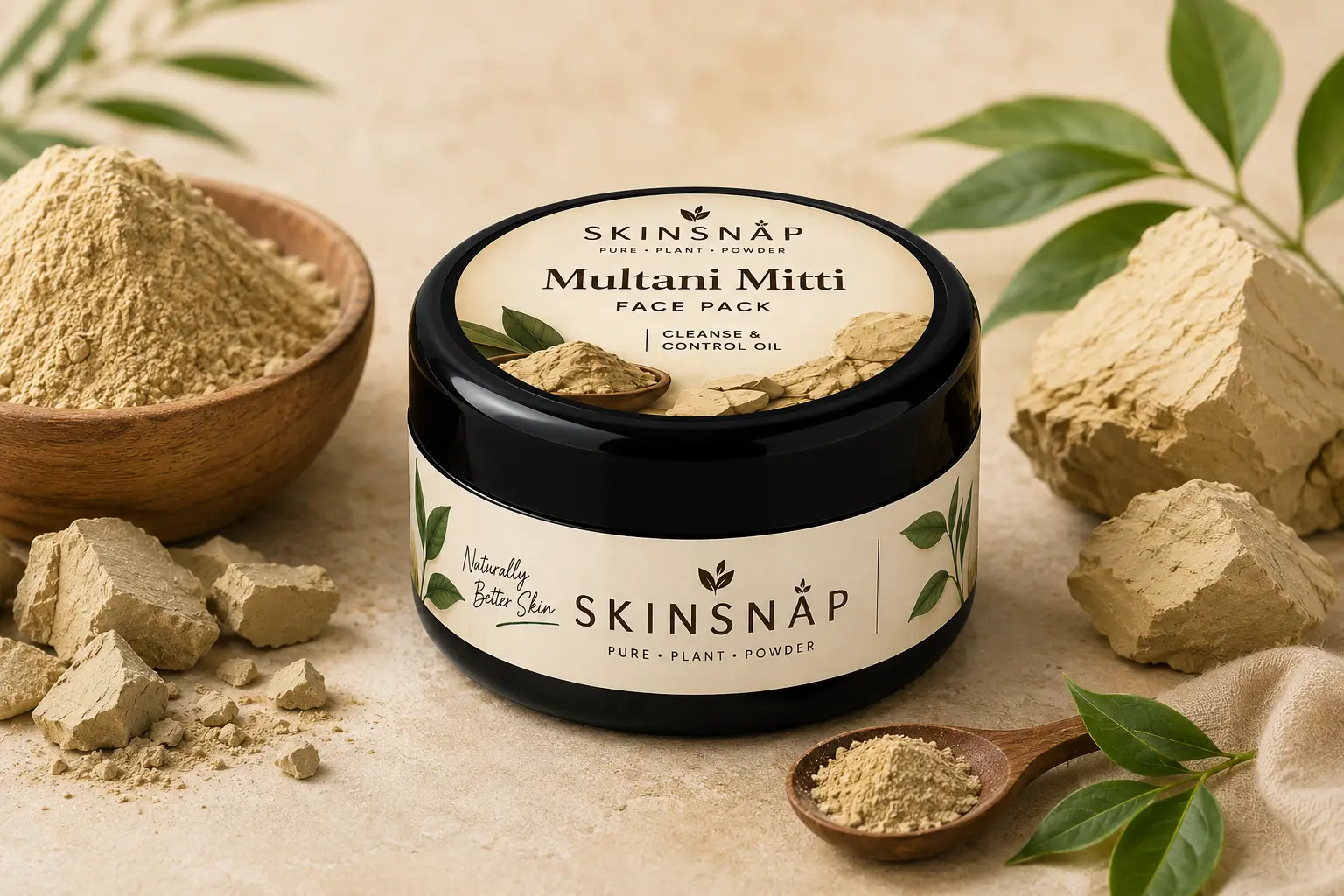
Use an oil-absorbing clay face pack, such as multani mitti, to draw out the extra oil and grime that daily cleansing alone cannot fully remove. We cover the right frequency for different skin types in our guide on how often you should use a face pack.
Best Natural Ingredients for Monsoon Skin
A few natural options do most of the heavy lifting for Indian monsoon skin concerns.
Multani mitti (fuller's earth) for oil control
This mineral-rich clay absorbs excess sebum and sweat, making it one of the most useful ingredients during humid months. It also gives a mild, natural exfoliation as you rinse it off, which helps with the dullness that monsoon air often causes.
Orange peel powder for post-acne marks and dullness
Monsoon breakouts often leave behind dark marks once they heal. Orange peel powder is rich in natural vitamin C, which can help fade these marks over time and add a bit of brightness back to tired-looking skin. Read more in our guide on orange peel powder for skin.
Rose water as a calming, non-drying base
Instead of plain tap water, mixing clay powders with rose water keeps the pack from feeling harsh, while adding a light toning effect. Our detailed breakdown on rose water for face explains why this combination works better than water alone.
Monsoon Skincare Mistakes That Make Breakouts Worse
A few habits quietly undo all the good work of a routine.
- Skipping moisturiser because skin feels oily. This backfires by triggering more oil production to compensate for the missing hydration.
- Skipping sunscreen on cloudy days. UV rays pass through clouds, so skin stays exposed even without visible sun.
- Over-washing your face. Washing more than twice a day strips natural oils and irritates the skin barrier.
- Leaving wet towels, pillowcases, or makeup brushes unwashed. Damp fabric is exactly where fungal acne triggers multiply. Wash these weekly at minimum.
- Using thick, heavy creams meant for winter. These trap moisture and sweat underneath, which is a common cause of monsoon breakouts along the hairline and jaw.
- Ignoring damp clothes and wet hair against the skin. Change out of rain-soaked clothes quickly and keep wet hair off your face and shoulders where possible.
Monsoon Skincare by Skin Type
Not everyone needs the exact same approach.
Oily skin
Focus on oil-absorbing steps: gel cleansers, oil-free moisturiser, and a multani mitti pack twice a week. Avoid skipping moisturiser, which is the single biggest mistake for this skin type.
Combination skin
Treat the T-zone like oily skin and the cheeks like normal skin. A clay pack applied only on the oily areas, followed by a light moisturiser everywhere, usually works well.
Dry and sensitive skin
Monsoon is generally kinder to dry skin, but do not skip SPF or hydration. Use clay packs less often — once a week or skip them on very sensitive days — and watch for irritation from humidity-triggered heat rashes.
How Long Before You See Fewer Breakouts?
Most people notice less shine and fewer new breakouts within two to three weeks of following a consistent routine, since existing clogged pores need time to clear and skin needs time to adjust to lighter products. Post-acne marks take longer, usually four to eight weeks, since pigment fades gradually rather than overnight. Consistency matters more than intensity here — switching products every few days does more harm than sticking with one simple routine.
When Should You See a Dermatologist?
Most monsoon breakouts respond well to routine changes within a few weeks. See a dermatologist if you notice painful, deep cysts under the skin, bumps that are intensely itchy and spreading (a sign of fungal acne that may need antifungal treatment), or if breakouts do not improve after four to six weeks of consistent care. A professional can also rule out heat rash or a reaction to a specific product, both of which are common during humid months and look similar to acne at first glance.
Expert Tips for Humid Weather
A dermatologist-style checklist that is easy to actually follow:
- Blot excess oil during the day with clean tissue instead of washing your face repeatedly.
- Keep a small oil-absorbing sheet or compact powder in your bag for midday touch-ups.
- Change into dry clothes as soon as possible after getting caught in rain.
- Stick to non-comedogenic labels on moisturiser and sunscreen so pores stay clear.
- Do a patch test before trying any new face pack or product, especially if your skin reacts easily to humidity.
Why Freshly Mixed Face Packs Matter Even More in Monsoon
Humid air is hard on more than just your skin — it is hard on your skincare products too. Pre-mixed clay creams and tubs left open in damp bathrooms pick up moisture, which shortens shelf life and can affect texture and hygiene. Powder-based multani mitti stored loosely can clump and harden in humid weather, which is exactly why proper storage matters so much this season.
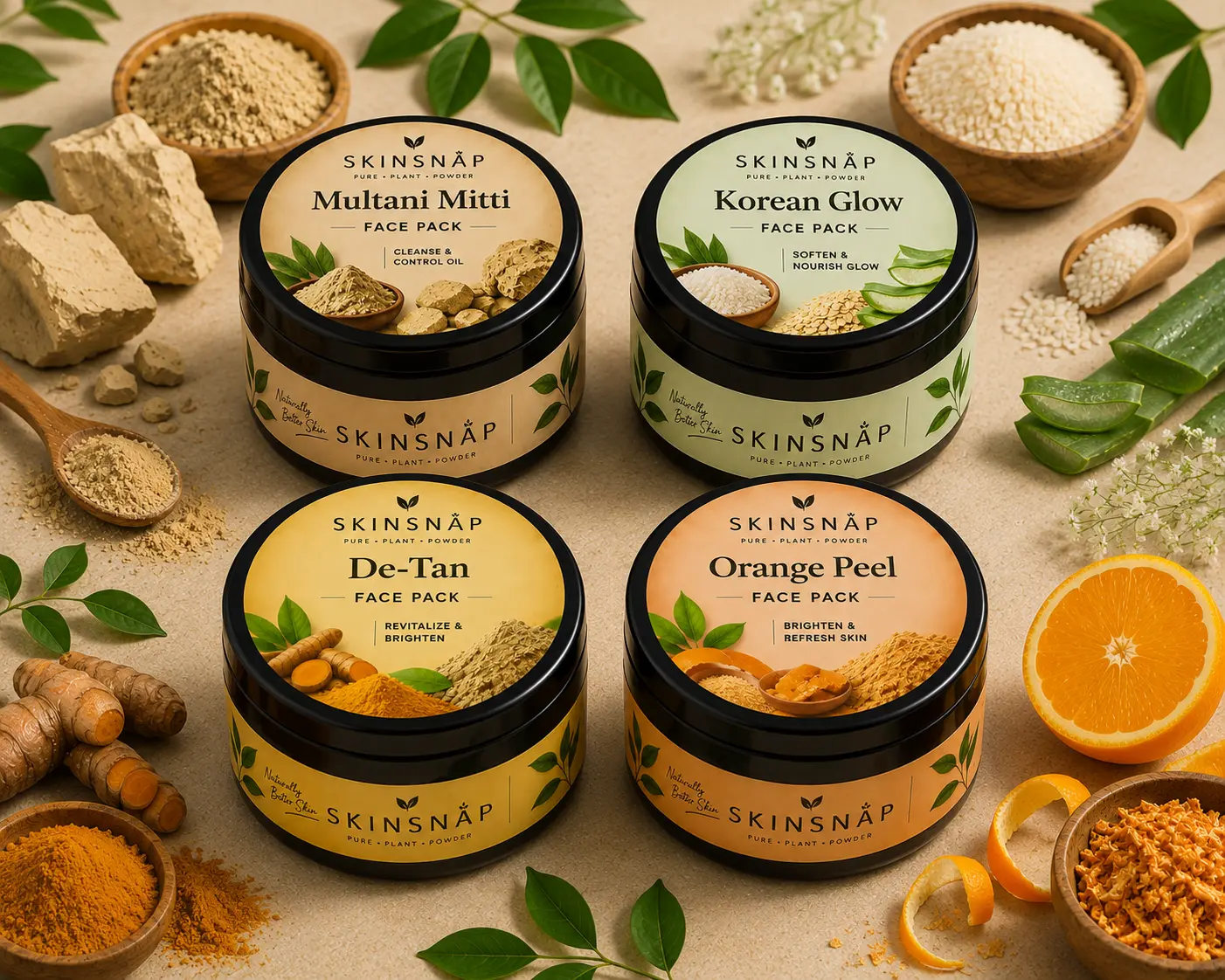
This is where SkinSnap's dry sealed jars make more sense in monsoon than any other time of year. Each 50g jar holds 100% natural clay-and-botanical powder, kept dry and sealed, so nothing sits pre-mixed in a humid bathroom collecting moisture between uses. You scoop a teaspoon or two, mix it with a little water or rose water, apply, and rinse after 10 to 15 minutes — a fresh pack every single time, with the rest of the powder staying dry. With the per-jar price dropping the more you buy, or ₹749 for the 4-in-1 combo covering oil control, brightening, and tan care, it is a low-cost way to keep your monsoon routine consistent without leaving anything damp to spoil.
Key Takeaways
- Monsoon humidity increases oil production, traps sweat and pollution in pores, and creates ideal conditions for fungal acne.
- A simple routine works: gentle cleanse twice daily, lightweight oil-free moisturiser, daily SPF, and a clay face pack two to three times a week.
- Do not skip moisturiser or sunscreen just because the weather is humid or cloudy.
- Multani mitti helps with oil control, orange peel powder helps fade post-acne marks, and rose water keeps both gentle on the skin.
- Keep towels, pillowcases, and makeup brushes clean and dry to prevent fungal acne triggers.
- Keep your powder dry in a sealed jar and mix only what you need, so nothing sits pre-mixed in a humid bathroom.
Conclusion
Monsoon skin problems are mostly predictable once you understand what humidity actually does: more oil, more trapped grime, more fungal triggers. You do not need an elaborate new routine to handle it — just lighter textures, consistent SPF, and an oil-absorbing face pack a couple of times a week. Keep it simple and stay consistent, and your skin will handle the rains far better than it has in past years.
Ready to add an oil-control step to your monsoon routine? Try the SkinSnap Multani Mitti face pack or the 4-in-1 combo pack for oil control, brightening, and tan care in one box.
Frequently asked questions
Cleanse twice daily with a gentle, oil-free face wash, skip heavy creams for a lightweight gel moisturiser, apply a non-comedogenic sunscreen every morning, and use an oil-absorbing clay face pack two to three times a week. Never skip moisturiser, even if your skin feels oily.
Humidity raises sebum production and traps sweat, dirt, and pollution on the skin's surface, which clogs pores. Damp air also encourages fungal and bacterial growth, so both hormonal acne and fungal acne tend to flare up more in the rainy season.
Yes. Up to 80% of UV rays pass through clouds, so skipping sunscreen in monsoon still leaves your skin exposed to pigmentation and dullness. Choose a gel-based, non-comedogenic SPF 30 or higher that will not feel greasy in humid weather.
Yes, clay packs like multani mitti are especially useful in monsoon because they absorb the extra oil and sweat that humidity produces. Use one two to three times a week for oily and acne-prone skin, and always moisturise afterward.
Fungal acne usually appears as small, uniform, itchy bumps clustered on the forehead, chest, or back, unlike regular acne which varies in size and often has visible whiteheads or redness. If bumps are itchy and not responding to normal acne products, consult a dermatologist.
Yes, but limit it to two to three times a week using a mild exfoliant or clay mask rather than a harsh physical scrub. Over-exfoliating during humid weather can damage the skin barrier and make oiliness worse, not better.
No, this is one of the most common mistakes. Skipping moisturiser signals your skin to produce even more oil to compensate. Use a light, water-based, non-comedogenic moisturiser instead of a heavy cream.
Multani mitti (fuller's earth) controls excess oil and cleans pores, while orange peel powder helps fade post-acne marks and adds brightness. Both work well as twice-weekly face packs alongside a basic cleanse-moisturise-SPF routine.
Twice a day is enough for most people — once in the morning and once at night. Washing more often strips natural oils and can push oily skin to overproduce sebum, worsening breakouts instead of preventing them.
Not completely. Keep your core cleanse-treat-moisturise-SPF steps, but switch to lighter, oil-free textures, add an oil-absorbing face pack twice a week, and be extra careful about drying your face and towels properly to avoid fungal issues.
Try it the fresh way
This article is for general skincare information, not medical advice. Always patch-test a new product on your inner arm and wait 24 hours before applying it to your face.