Charcoal helps oily and congested skin mainly by physically binding to excess oil, dirt, and debris sitting inside pores, then lifting it away when you rinse the pack off. Used once or twice a week as a fresh paste, it can mean fewer blackheads, less midday shine, and tighter-looking pores within a few weeks — though it won't fix deep, cystic acne or permanently shrink pore size.
Activated charcoal became a skincare staple for a reason that has nothing to do with trends: it's genuinely good at pulling things toward itself. The same absorbent quality that makes it useful in water filters and poison treatment also makes it effective at drawing oil and grime out of clogged pores. This guide covers what charcoal really does for skin, how to use it without overdoing it, and where its limits are.
What Does a Charcoal Face Pack Actually Do for Skin?
Activated charcoal is charcoal that's been processed to be extremely porous, giving it a huge surface area relative to its size. That structure is what lets it bind to oil, dirt, and other particles sitting on and inside the skin's surface, similar in principle to how it adsorbs toxins when used medically.
Pulling out excess oil
Oily skin produces more sebum than it can use, and that extra oil mixes with dead skin cells to clog pores. Charcoal's porous structure grabs onto this oil on contact, which is why skin often feels noticeably matte right after rinsing off a charcoal pack.
Loosening blackheads and clogged pores
Blackheads form when oil and dead skin oxidize inside an open pore. Charcoal can't extract them the way a proper facial extraction does, but it does loosen the surrounding buildup, which makes blackheads less noticeable over time and slows new ones from forming.
Reducing surface dirt and pollution buildup
City air, sweat, and daily grime settle on skin throughout the day. Charcoal's binding action pulls a good portion of this surface debris away, which is part of why many people reach for it after a long day out, especially during monsoon months when sweat and humidity spike oil production.
Making pores look temporarily tighter
Once trapped oil and debris are cleared out, pores often look smaller simply because they're no longer stretched by buildup. This is a cosmetic, short-term effect rather than a permanent change in pore size, which is mostly fixed by genetics.
How Do You Use a Charcoal Face Pack the Right Way?
Charcoal is a strong ingredient, so technique matters more here than with gentler clays.
Step 1: Start with a clean, dry face
Remove makeup, sunscreen, and surface oil with a mild cleanser first. Applying charcoal over a layer of grime just means it works on that layer instead of reaching the oil and debris actually sitting inside your pores.
Step 2: Mix a smooth, fresh paste
Combine charcoal powder with rose water until you get a consistency similar to thick yogurt. Rose water keeps the mix from feeling harsh, and we explain why it works better than plain water in our guide on rose water for face.
Step 3: Apply a thin, even layer
Spread the paste evenly, focusing on the T-zone, nose, and any areas with visible blackheads or open pores. Avoid the delicate skin around the eyes and lips. A thick layer doesn't work any faster, it just takes longer to dry and pulls out more moisture than needed.
Step 4: Rinse off while still semi-dry
Wash it off with lukewarm water around the 10 to 15 minute mark, once the pack feels tacky rather than fully cracked. Letting it dry completely on your skin is the single biggest reason people find charcoal masks drying and uncomfortable.
Step 5: Moisturise immediately after
Charcoal's oil-absorbing action means your skin's barrier needs some hydration back right away. Follow with a light, non-comedogenic moisturiser, especially if you have any dry patches or use the pack more than once or twice a week.
How Often Should You Use a Charcoal Face Pack?
Once or twice a week is the right range for most oily and combination skin. Charcoal's strength is also its risk: because it absorbs so effectively, overusing it strips more oil than skin can replace, which can trigger a rebound where skin produces even more oil to compensate. This is the same principle we cover in how often you should use a face pack across different clay and herbal ingredients. If you're new to charcoal, start with once a week and watch how your skin responds over the following days before adding a second session.
Mistakes to Avoid With Charcoal Face Packs
A handful of habits quietly turn a helpful ingredient into an irritating one.
- Using it more than twice a week. Charcoal's absorbent action is intense, and overuse strips natural oils faster than skin can replace them, often making oiliness and irritation worse instead of better.
- Letting the pack dry until it fully cracks. This pulls out far more moisture than necessary and leaves skin feeling tight and uncomfortable for hours afterward.
- Skipping the patch test. Charcoal's slightly gritty, absorbent texture can be too intense for reactive skin, so testing on your inner arm first avoids an unpleasant surprise on your face.
- Expecting it to fade tan or pigmentation. Charcoal absorbs oil and debris, it doesn't brighten skin tone. For tan marks, an ingredient like orange peel powder is a better fit.
- Applying it straight after exfoliating or using acids. Layering charcoal with strong actives on the same day increases the chance of irritation, since both are working on the skin's surface at once.
- Storing leftover mixed paste for later. Once charcoal powder meets liquid, the mix starts losing freshness within hours and can pick up bacteria, defeating the purpose of using it for clean, decongested skin.
Charcoal vs Other Natural Oil-Control Ingredients
Charcoal isn't the only option for oily, congested skin, and each ingredient has a slightly different strength.
Charcoal vs multani mitti
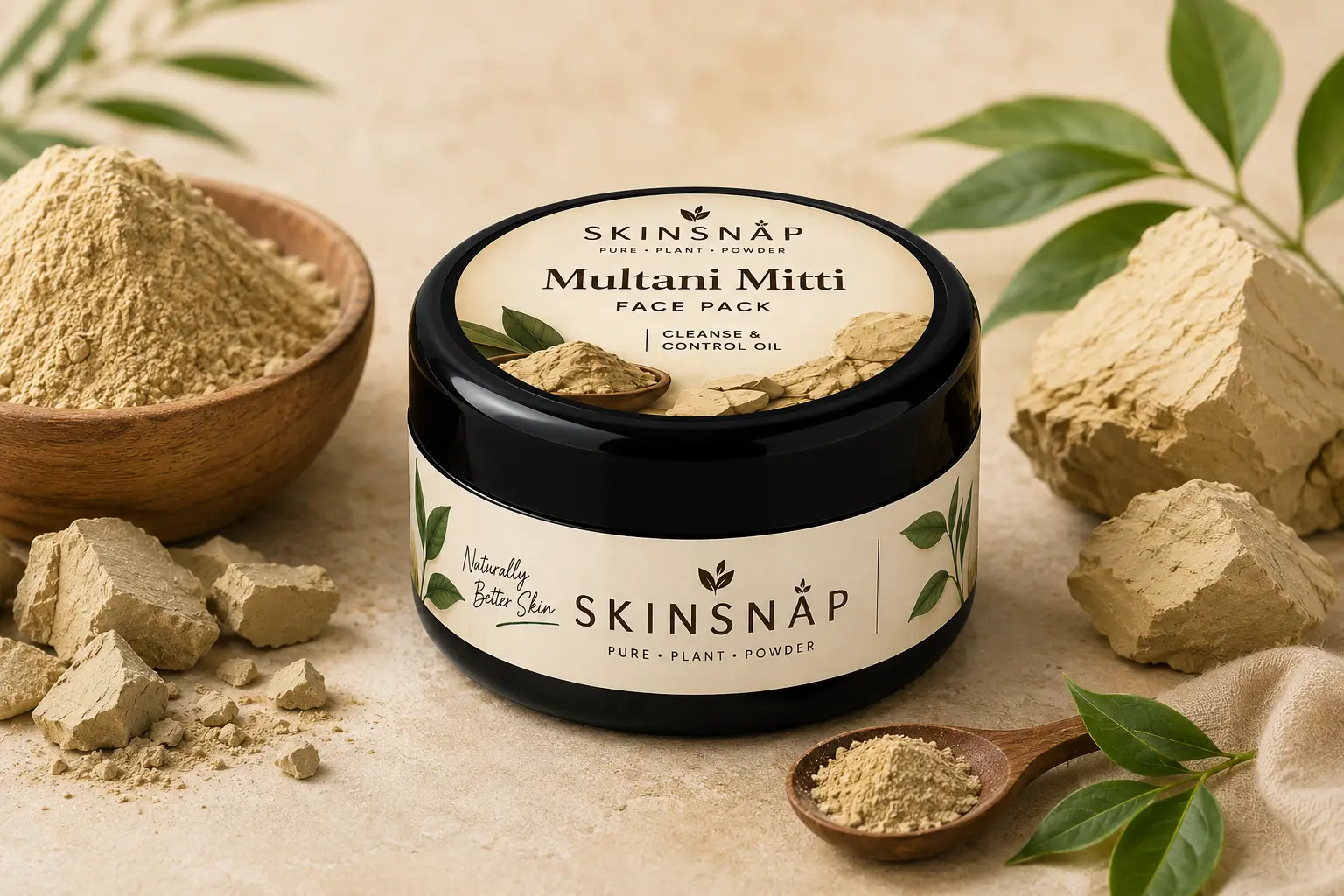
Charcoal tends to be the more intense oil absorber of the two, which makes it well suited to once or twice weekly use on very oily or congested skin. Multani mitti is gentler and more forgiving, which is why it works well as a more frequent, everyday oil-control option while charcoal plays a stronger, occasional role.
Charcoal vs neem
Neem's strength is fighting the bacteria and inflammation behind active breakouts, while charcoal's strength is physically pulling out oil and debris. Many acne-prone routines use both — charcoal on oilier, congestion-heavy days and neem when calming an active breakout is the priority.
Charcoal vs turmeric
Turmeric brings anti-inflammatory and mild brightening effects, while charcoal focuses purely on oil and debris removal. They're rarely used for the exact same purpose, so it comes down to whether the immediate concern is congestion (charcoal) or dullness and inflammation (turmeric).
Charcoal vs coffee scrubs
Coffee-based scrubs work through physical exfoliation and mild stimulation, while charcoal works through chemical-style adsorption without any scrubbing action. Charcoal is generally the safer choice for sensitive or acne-prone skin, since scrubbing can irritate active breakouts.
Charcoal Face Pack by Skin Type
Not every skin type should use charcoal the same way, or as often.
Oily and acne-prone skin
This is where charcoal performs best. Use it once or twice a week, concentrating on the T-zone and any blackhead-prone areas, and always follow with a light moisturiser to avoid a rebound in oil production.
Combination skin
Apply charcoal mainly on oilier zones like the forehead, nose, and chin, while skipping it or using a much thinner layer on drier cheek areas. Once a week is usually enough to keep congestion in check without over-drying the rest of the face.
Dry and sensitive skin
Charcoal can be too strong for this skin type used regularly. If you want to try it, once every two weeks at most, mixed generously with rose water, and followed immediately by a rich moisturiser is the safer approach.
Normal skin
Charcoal works well as an occasional deep-clean step rather than a weekly habit. Once every couple of weeks, mainly when pores feel congested from sweat, pollution, or a few extra days of makeup, is plenty.
Is Charcoal a Good Face Pack for Monsoon Skin?
Yes, monsoon humidity tends to push oil production and clogged pores higher than usual, which is exactly the kind of congestion charcoal is built to handle. Used once or twice a week alongside the basics — a gentle cleanser, lightweight moisturiser, and daily sunscreen — it fits naturally into a monsoon skincare routine for oily and acne-prone skin. Just don't let the rainy-season shine tempt you into using it more often than your skin barrier can handle.
DIY Charcoal Paste vs Ready-Made Charcoal Face Packs
Mixing charcoal powder at home gives you control over the ratio, but sourcing pure activated charcoal powder, weighing it out consistently, and mixing a fresh batch every single time takes effort most people skip after a week or two. Pre-mixed charcoal masks sitting in jars solve the convenience problem, but they need preservatives to stay usable for months on a shelf, and the charcoal-to-liquid ratio is fixed the moment it's bottled. We go into this trade-off in more depth in our comparison of DIY versus ready-made face packs.
This is the exact gap SkinSnap's dual-chamber format closes. Each SkinSnap pouch keeps 20ml of pure rose water sealed apart from 20g of herbal powder until the moment you're ready to use it, so there's no jar sitting half-used on a shelf and no bacteria buildup from a mixed paste that's a few days old. Press the pouch, the inner seal bursts, massage for 10 to 15 seconds, tear the corner, and apply — freshly activated, every single time.
Key Takeaways
- Charcoal works mainly by absorbing excess oil and pulling debris out of clogged pores, not by fighting acne bacteria or brightening skin tone.
- Use it once or twice a week for oily skin, and less often for dry or sensitive skin, to avoid stripping and rebound oiliness.
- Rinse off while the pack is still semi-dry, around 10 to 15 minutes in, and always follow with a moisturiser.
- Charcoal pairs well with multani mitti for oil control and neem for calming active breakouts.
- It's a good fit for monsoon congestion, but it isn't a substitute for treating deep or cystic acne, which needs a dermatologist's input.
Conclusion
A charcoal face pack earns its place for one clear reason: it's genuinely effective at pulling oil, dirt, and pollution buildup out of clogged pores. Used the right way — fresh paste, semi-dry rinse, once or twice a week, followed by a moisturiser — it's a solid option for oily, congestion-prone skin, monsoon or otherwise. Just keep the frequency in check, since more isn't better with an ingredient this absorbent.
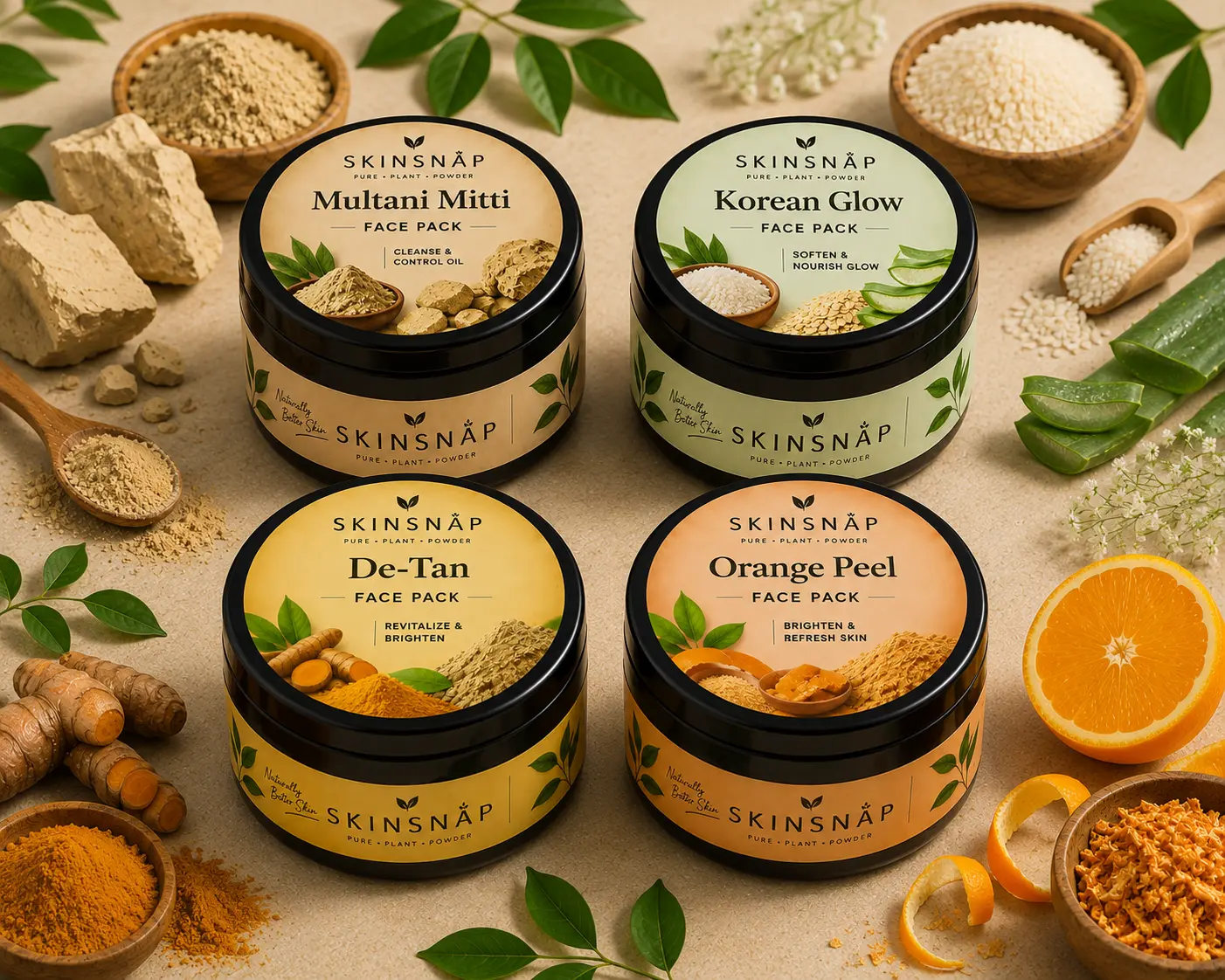
Want oil control alongside a gentler, everyday clay base? Explore the SkinSnap Multani Mitti face pack or the 4-in-1 combo pack for oil control, brightening, and tan care in one box.
Frequently asked questions
It helps loosen the oil and debris that block pores, which makes existing blackheads easier to clear and slows new ones from forming. It won't pull out every blackhead in one sitting, and stubborn, deep-set ones may still need a dermatologist's extraction.
No. Charcoal is absorbent by nature, and daily use strips more oil than skin can replace, leading to dryness, irritation, and sometimes rebound oiliness. Twice a week for oily skin and once a week for drier skin types is the safer range.
Yes, mainly through oil absorption and pore decongestion, which reduces one of the triggers behind breakouts. It doesn't fight acne bacteria the way neem does, so many acne-prone routines alternate between charcoal for oil control and neem for calming active breakouts.
Not directly. Charcoal's job is drawing out oil, dirt, and impurities rather than fading pigmentation or tan. Skin often looks brighter afterward simply because pores look cleaner and dullness from trapped debris is gone, not because charcoal is a brightening ingredient.
Yes, especially with frequent use or a thick layer left on until fully dry and cracked. Charcoal absorbs oil aggressively, so oily skin tolerates it well while dry and sensitive skin should use it sparingly and always follow with a moisturiser.
Rose water is the easiest option since it hydrates while charcoal absorbs oil and impurities. Avoid mixing charcoal with harsh acids or scrubs on the same day, since layering two strong actives raises the risk of irritation and a compromised skin barrier.
Both absorb oil well, but charcoal is generally more intense and better suited to very oily or congested skin used once or twice a week. Multani mitti is gentler and more forgiving for regular use, which is why many people alternate between the two.
Around 10 to 15 minutes, until the pack feels semi-dry rather than fully cracked. Leaving it on longer doesn't pull out more impurities, it just pulls out more moisture, which is the main reason people find charcoal masks drying and uncomfortable on the skin.
Yes, charcoal is a reasonable option for oily, breakout-prone teenage skin, since excess oil is often the main trigger at that age. Start with once a week, watch for dryness or irritation, and see a dermatologist if breakouts are painful or persistent.
It can make pores look tighter and less visible right after use, mainly because trapped oil and debris are cleared out. This effect is temporary and cosmetic rather than a permanent change in pore size, which is mostly determined by genetics and skin elasticity.
It can be too strong for very reactive or sensitive skin, since its absorbent, slightly gritty texture may cause redness or a tight, uncomfortable feeling. Patch test on your inner arm first, and consider a gentler option like multani mitti if irritation shows up.
Yes, it's actually a good fit, since humidity tends to increase oil production and clogged pores during the rainy months. Once or twice a week alongside a lightweight moisturiser and daily sunscreen works well for oily, monsoon-prone skin needing extra oil control.
Try it the fresh way
This article is for general skincare information, not medical advice. Always patch-test a new product on your inner arm and wait 24 hours before applying it to your face.