Aloe vera helps skin mainly by hydrating without adding oil, calming redness and irritation, and supplying antioxidants that support a healthy-looking glow. Used two to three times a week — or daily for dry to normal skin — it can mean fewer flare-ups and softer, calmer skin within a couple of weeks, though it will not clear stubborn acne or remove tan on its own.
Aloe vera has one of the longest track records of any skincare ingredient, used across Ayurveda, Egyptian medicine, and modern dermatology alike for the same basic reason: it works on irritated, dry, or inflamed skin without much downside. That long history is also why it gets oversold — treated like a cure-all for every skin concern from acne to aging. This guide covers what aloe vera actually does for the face, how to use it without wasting its benefits, and where a plain gel or leaf simply is not enough on its own.
What Does Aloe Vera Actually Do for Your Skin?
Aloe vera gel is roughly 96% water, but the remaining fraction carries a mix of vitamins, enzymes, amino acids, and antioxidants that give it real, measurable effects on skin — not just marketing language.
Hydration without heaviness
Because aloe vera is mostly water held in a gel structure, it hydrates the skin's surface without leaving the oily film that thicker creams can. This is part of why it suits oily and combination skin as well as dry skin, unlike many moisturising ingredients that only work for one skin type.
Calming inflammation and redness
Compounds in aloe vera, including aloin and various polysaccharides, have a documented anti-inflammatory effect. This is why it is the go-to home remedy for sunburn, and the same calming action helps with general redness, razor irritation, or skin that feels reactive after sun exposure or over-exfoliation.
Supporting acne-prone skin
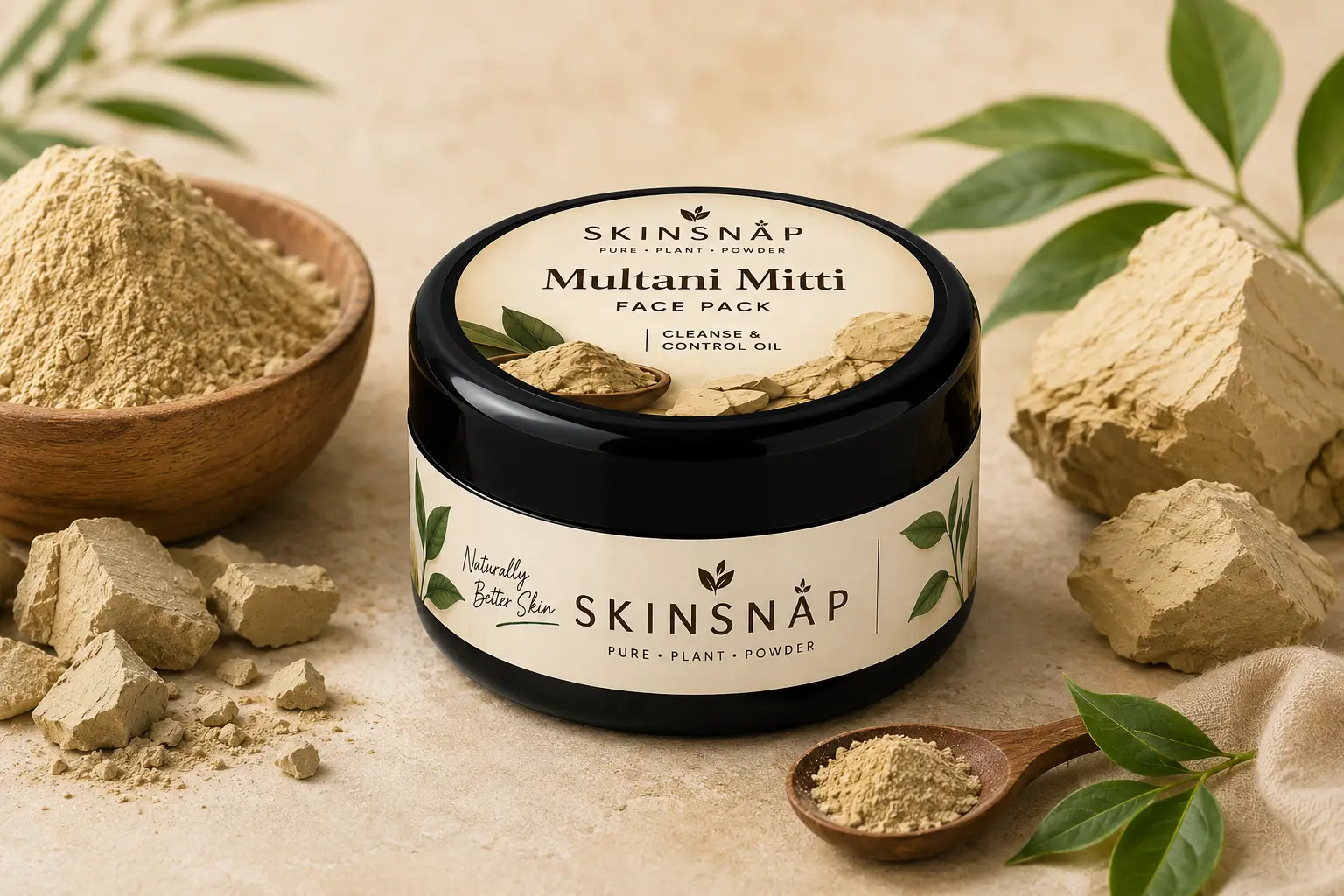
Aloe vera has mild antibacterial properties and can reduce the inflammation that makes active pimples look angry and feel tender. It is not strong enough to be a primary acne treatment, but it is a useful supporting ingredient, especially for people whose acne treatments leave their skin dry or irritated. It pairs naturally with oil-absorbing ingredients — the same logic we cover in how neem and multani mitti work together for acne-prone skin.
Antioxidants for dullness and early aging
Vitamins A, C, and E in aloe vera work as antioxidants, helping to counter some of the everyday oxidative stress from sun and pollution exposure that contributes to dull, tired-looking skin over time. This effect is gradual and preventive rather than a visible overnight change.
How Do You Use an Aloe Vera Face Pack the Right Way?
Aloe vera is forgiving, but a few basics make the difference between getting real benefit and just splashing water on your face.
Step 1: Start with a clean face
Wash off makeup, sunscreen, and surface oil first. Aloe vera absorbs best into skin that is not sitting under a layer of product, and any face pack works better on a genuinely clean base.
Step 2: Choose fresh gel or a trusted packaged one
Fresh aloe vera scraped from a leaf has the highest concentration of active compounds and no additives, but it needs to be used within a day or refrigerated briefly. If you use a packaged gel, check that aloe is listed near the top of the ingredients rather than buried under water and fragrance.
Step 3: Apply a thin, even layer
A thick layer does not add extra benefit — aloe vera works through contact with skin, not through sheer quantity. Keep it away from the eyes and apply an even, thin coat across the face and neck.
Step 4: Leave it on for 15 to 20 minutes
This is enough time for the gel to hydrate and calm the skin without drying out into a tight film. If you have mixed aloe vera into a clay or powder base, treat it like any other face pack and rinse once it turns semi-dry, usually within 10 to 15 minutes.
Step 5: Rinse with lukewarm water and follow with moisturiser
Aloe vera hydrates the surface, but it is not a substitute for a proper moisturiser that locks that hydration in. Pat the face dry and apply your regular moisturiser right after rinsing for the best results.
How Often Should You Use Aloe Vera on Your Face?
Aloe vera is one of the few natural ingredients gentle enough for daily use on most skin types, since it mainly hydrates and calms rather than exfoliating or drawing out oil. That said, "can be used daily" does not mean everyone should jump straight there. Acne-prone or reactive skin benefits from starting at three to four times a week and building up, similar to the gradual approach we recommend in how often you should use a face pack generally. Watch how your skin responds over the first week before deciding on a permanent routine.
Mistakes to Avoid With Aloe Vera Face Packs
A few common habits quietly reduce how much benefit you actually get from aloe vera.
- Skipping the patch test. Aloe vera is generally gentle, but people with allergies to garlic, onion, or tulips can react to it. Test on your inner arm 24 hours before applying it to your full face.
- Using packaged gel with aloe vera listed last. Many commercial "aloe vera gels" are mostly water, alcohol, and fragrance with a small trace of actual aloe. Check the ingredient order before assuming you are getting real benefit.
- Expecting it to remove tan or dark spots quickly. Aloe vera's brightening effect is mild and gradual. For visible tan, ingredients like orange peel powder work faster and more noticeably.
- Leaving a mixed paste on until it fully dries and cracks. If you have combined aloe vera with a clay or powder base, let it rinse off semi-dry rather than fully hardened, or it can pull out more moisture than intended.
- Storing homemade aloe gel for too long without refrigeration. Fresh aloe gel spoils within a day or two at room temperature and can grow bacteria, which defeats the purpose of using a soothing ingredient.
- Relying on it alone for active acne. Aloe vera calms and supports, but it does not replace targeted oil control or, for serious breakouts, a dermatologist's treatment plan.
Aloe Vera vs Other Natural Ingredients
Aloe vera is versatile, but it plays a different role than most other ingredients in Indian home skincare.
Aloe vera vs multani mitti
Multani mitti's job is drawing out oil and deep-cleaning pores, while aloe vera's job is hydrating and calming. They are complementary rather than competing — many people use multani mitti for oil control two to three times a week and aloe vera on the days in between, or mix a small amount of aloe gel into the clay paste to soften its drying effect.
Aloe vera vs rose water
Both are hydrating and soothing, which is why they are often compared. Rose water is lighter and works well as a toner or clay activator, while aloe vera's gel texture sits on the skin longer and offers a more concentrated dose of antioxidants and anti-inflammatory compounds in a single application.
Aloe vera vs neem
Neem is the stronger choice for actively fighting acne-causing bacteria, while aloe vera is the gentler choice for calming the irritation that acne treatments can leave behind. Many acne-prone routines use neem for treatment and aloe vera for recovery on alternate days.
Aloe vera vs turmeric
Turmeric brings a stronger brightening and anti-inflammatory punch but comes with the trade-off of a temporary yellow tint on lighter skin. Aloe vera has no such staining risk and works as a safer daily option, though its brightening effect is noticeably milder.
Aloe Vera Face Pack by Skin Type
Aloe vera suits nearly every skin type, but how you use it should shift slightly depending on your skin's needs.
Oily and acne-prone skin
Use aloe vera on the days you skip an oil-control pack, or mix a small amount into your clay paste to soften its drying effect. Avoid packaged gels with added oils or heavy silicones, which can feel greasy on oilier skin.
Dry skin
Aloe vera can be used daily as a lightweight hydration boost, ideally followed by a richer moisturiser to lock in the water it provides. It works well layered under a heavier night cream.
Combination skin
Apply a thin, even layer everywhere, then follow with a slightly heavier moisturiser only on the drier cheek areas. Aloe vera's balanced hydration makes it one of the easier ingredients to use across combination skin without needing to zone different products.
Sensitive skin
Aloe vera is usually well tolerated, but always patch test first and choose fresh gel or a short-ingredient packaged product over ones with added fragrance or alcohol, which are more likely to cause irritation on reactive skin.
Is Aloe Vera Good for Monsoon Skin?
Yes, and monsoon is genuinely one of aloe vera's better seasons. Humidity pushes up sweat and oil production, and aloe vera hydrates without adding to that oiliness, unlike heavier creams that can feel suffocating in damp weather. Its mild antifungal properties are also useful, since humid conditions encourage the small, itchy fungal breakouts that flare up more often during the rainy months — a pattern we cover in detail in our monsoon skincare routine for oily and acne-prone skin. A simple monsoon combination is a twice-weekly oil-absorbing clay pack alongside daily aloe vera for hydration on the days in between.
DIY Aloe Vera Gel vs Ready-Made Aloe Products
Cutting a fresh aloe leaf and scraping out the gel gives you the purest form of the ingredient, with no added water, preservatives, or fragrance diluting its effect. The catch is practical: fresh gel spoils within a day or two, it needs a real aloe plant on hand, and the process of cutting, draining the yellow latex layer, and scraping the gel takes real effort each time. Packaged aloe products solve the convenience problem but often list aloe far down the ingredient list, behind water, stabilisers, and preservatives needed to keep a jar shelf-stable for months. We cover this same trade-off more broadly in our comparison of DIY versus ready-made face packs.
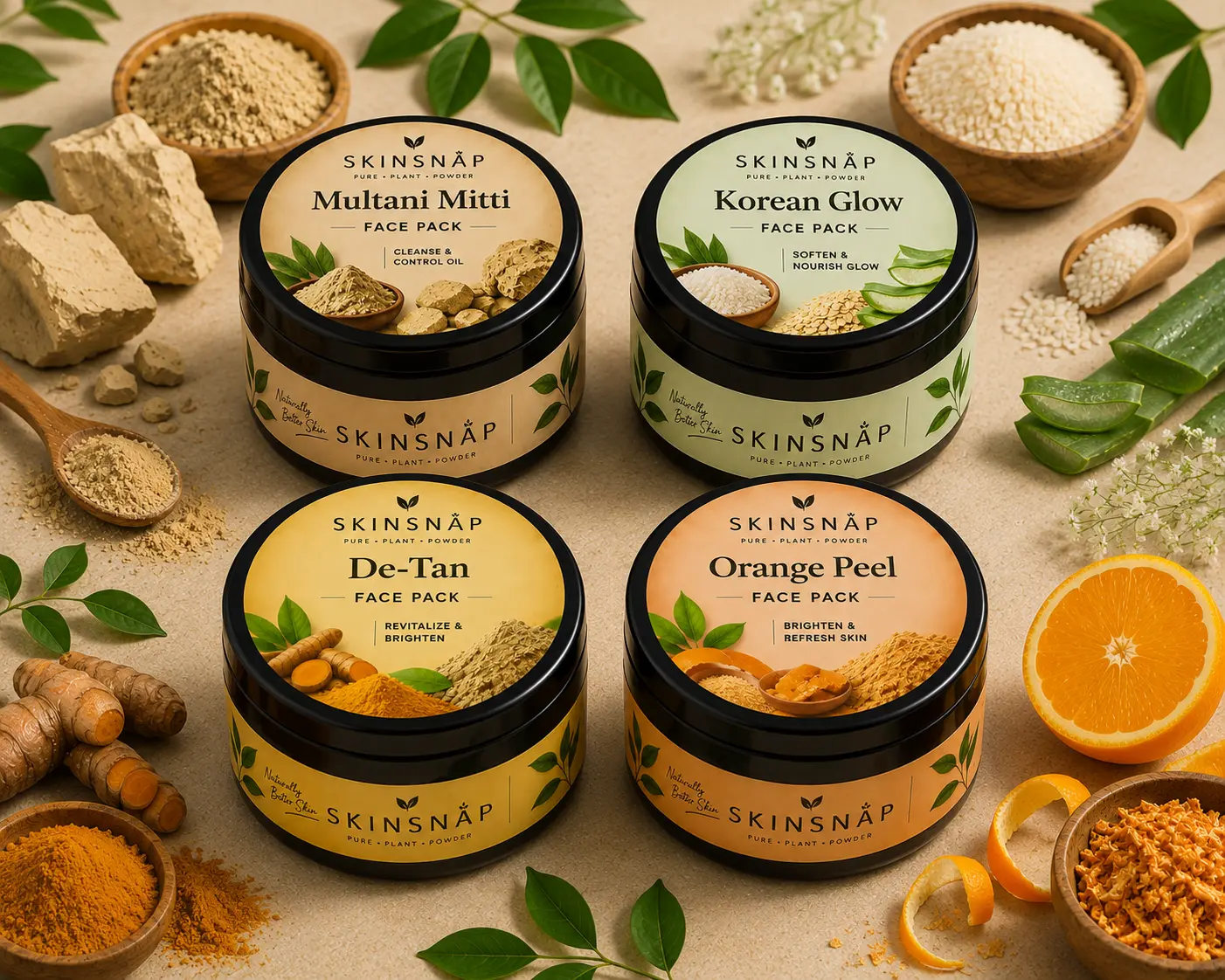
This is the same gap SkinSnap's dual-chamber design was built to close, just for clay-based herbal powders rather than aloe gel. Each pouch keeps 20ml of pure rose water sealed apart from 20g of powder — multani mitti, orange peel, turmeric, or a rice-clay-oat blend — until the moment you press it. No preservatives sit in a jar for weeks, and no bowl or grinding is required to get a freshly mixed pack. If your routine already includes aloe vera for hydration, a freshly activated clay pack a couple of times a week rounds it out nicely for oil control and brightening.
Key Takeaways
- Aloe vera hydrates, calms inflammation, and provides antioxidants, but it does not control oil or remove tan on its own.
- It is gentle enough for daily use on most skin types, though acne-prone and sensitive skin should build up gradually.
- Rinse a mixed paste when semi-dry, and always follow plain aloe vera with a proper moisturiser.
- It pairs well with multani mitti for oil control and complements, rather than replaces, treatment-focused ingredients like neem and turmeric.
- Check packaged gels for aloe vera listed high on the ingredient list, not buried under water and fillers.
- Monsoon is a strong season for aloe vera thanks to its lightweight hydration and mild antifungal properties.
Conclusion
Aloe vera earns its long history for a straightforward reason: it hydrates and calms without the trade-offs that come with heavier or more active ingredients. Used consistently — fresh or a genuinely aloe-rich gel, a thin layer, rinsed and moisturised afterward — it is one of the safest natural additions to almost any routine, oily, dry, or somewhere in between. Just keep expectations realistic: it supports healthy-looking skin, but oil control, tan removal, and active acne treatment still need ingredients built specifically for those jobs.
Want to pair aloe vera's hydration with a freshly activated oil-control or brightening pack? Explore the SkinSnap Multani Mitti face pack or the 4-in-1 combo pack for oil control, brightening, and tan care in one box.
Frequently asked questions
Yes, for most skin types. Aloe vera is gentle enough for daily use since it mainly hydrates and soothes rather than exfoliating. Acne-prone or sensitive skin should start with alternate days and watch for any irritation before moving to daily use.
Yes, its anti-inflammatory and mild antibacterial properties can calm active breakouts and reduce redness. It works best as support alongside oil-control ingredients like multani mitti rather than as a standalone acne treatment for deeper or cystic breakouts.
Yes, aloe vera hydrates without adding oil, which makes it useful for oily skin that still needs moisture. It will not control excess sebum on its own, so pairing it with a clay-based pack gives more balanced results for oily and combination skin.
Aloe vera can gradually help fade very shallow marks through its antioxidant content, but it is not a strong tan-removal ingredient on its own. For visible tan and pigmentation, ingredients like orange peel and turmeric work faster and more noticeably.
Fifteen to twenty minutes is enough for a plain aloe vera application. If it is mixed with a clay or powder base, follow the same rule as any face pack — rinse once it turns semi-dry, usually around 10 to 15 minutes in.
True purging from aloe vera is rare since it does not typically speed up cell turnover the way retinoids or acids do. Occasional breakouts after starting aloe vera are more often a reaction to added preservatives in packaged gels, not the plant itself.
Yes, this is a common and effective combination. Multani mitti absorbs excess oil while aloe vera adds back hydration and soothes any tightness the clay leaves behind, making the mix more comfortable for regular use on oily skin.
Yes, aloe vera is one of the better monsoon ingredients because it hydrates without feeling heavy and has mild antifungal properties that help during humid months when fungal breakouts become more common on sweaty, damp skin.
Generally yes, aloe vera is one of the gentler natural ingredients, but a small number of people are allergic to it, particularly those with existing allergies to garlic, onion, or tulips. Always patch test on your inner arm first.
Fresh aloe vera gel scraped directly from the leaf has the most active compounds and no added preservatives, but it spoils within a day or two. Packaged gels last longer but often dilute the aloe content with water and stabilisers.
Yes, aloe vera's soothing base pairs well with turmeric's brightening and anti-inflammatory effect. Use only a small pinch of turmeric to avoid a temporary yellow tint, and rinse thoroughly after the recommended 10 to 15 minutes.
Aloe vera supports a healthy glow through hydration and antioxidants, but it works best as part of a full routine that includes cleansing, sun protection, and an oil-control or brightening face pack two to three times a week.
Try it the fresh way
This article is for general skincare information, not medical advice. Always patch-test a new product on your inner arm and wait 24 hours before applying it to your face.